Checkout using your account
Checkout as a new customer
Creating an account has many benefits:
- See order and shipping status
- Track order history
- Check out faster
Gender Pay Gap 2024
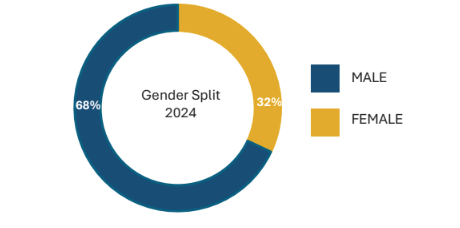
EMPLOYEE GENDER SPLIT - 2024
In 2024 the gender split of Aqualisa’s employees was 32% female and 68% male. This is based on the relevant employees who had a contract of employment on the gender pay gapanalysis snapshot date of 5th April 2024.
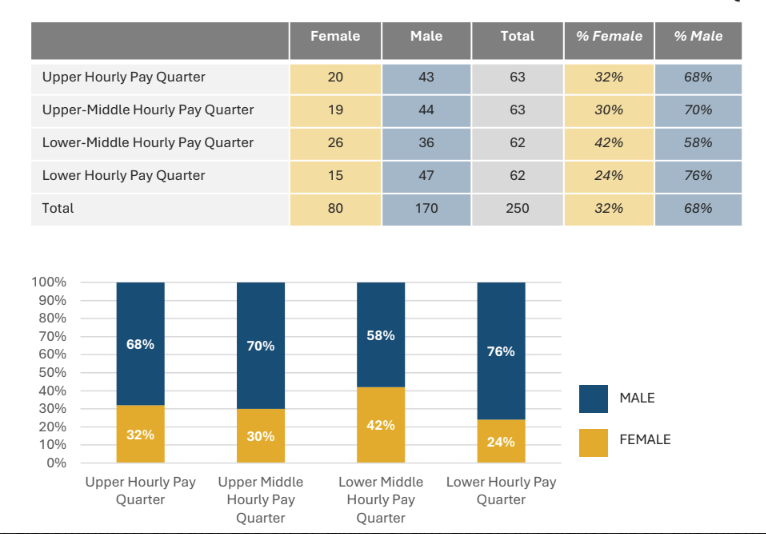
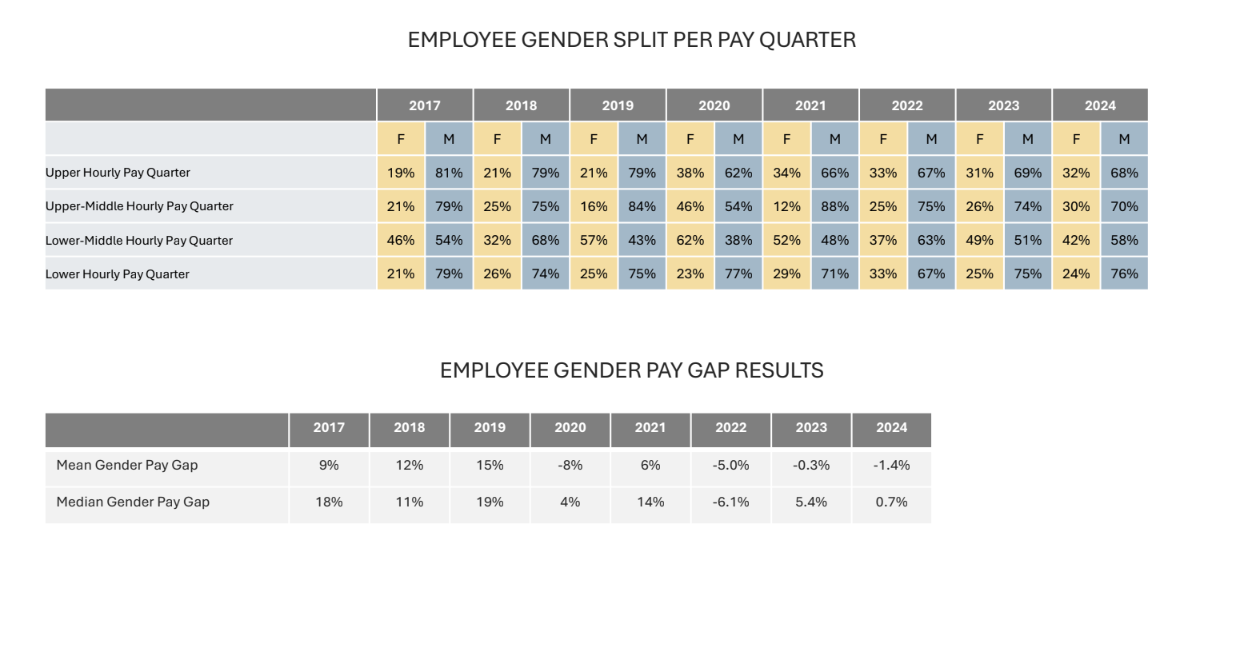
EMPLOYEE GENDER SPLIT PER PAY QUARTER - 2024
The distribution across pay quartiles shows that female employees are represented at all levels of the organisation, though there is a higher concentration of females in the Lower-Middle Quartile and a lower representation of females in the Lower quartile. While female employees make up 32% of the total workforce, they constitute just over 30% of the upper pay quartiles — a proportion broadly in line with overall representation, but with room to grow in the highest-paying roles.
MEAM VS MEDIAN
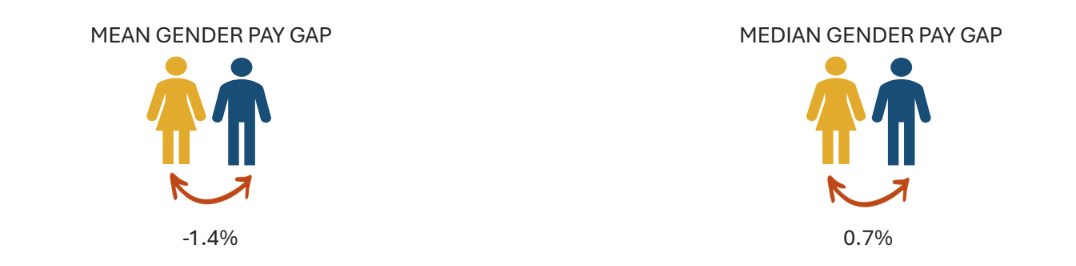
The mean gender pay gap is the difference in the average hourly pay for women compared to the average hourly pay for men. The averages are calculated by adding up the hourly pay rate for all female employees then dividing the result by the total number of women, and by adding up the hourly pay rate for all male employees then dividing the result by the total number of men. The mean gender pay gap is then calculated by subtracting the average female hourly pay from the average male hourly pay and expressing the outcome as a percentage of the average male hourly pay. The mean gender pay gap of -1.4% indicates that, on average, women earn slightly more than men. The median gender pay gap is established by listing all female and male employees in two separate lists, each in order from lowest to highest hourly pay. The median female hourly pay rate is that of the woman in the middle of the female list. The median male hourly pay rate is that of the man in the middle of the male list. The median gender pay gap is then calculated by subtracting the median female hourly pay from the median male hourly pay
and expressing the outcome as a percentage of the median male hourly pay. The median gender pay gap of 0.7%, means that at the midpoint, men earn slightly more than women.
These figures show a very small gender pay gap in both directions, suggesting broadly equitable pay across our workforce. The small negative mean gap indicates that women, on average, earn slightly more than men, while the slightly positive median gap indicates a narrow difference at the midpoint of
earnings. We are encouraged by the relatively narrow gender pay gap across our organisation, but we recognise that true equity is about more than averages. We continue to work on:
• Enhancing career development pathways for women into senior and technical roles
• Monitoring hiring and promotion practices to ensure fairness
• Promoting flexible working and inclusive policies to support all employees
We are committed to making further progress and will continue to monitor and report our gender pay gap annually.
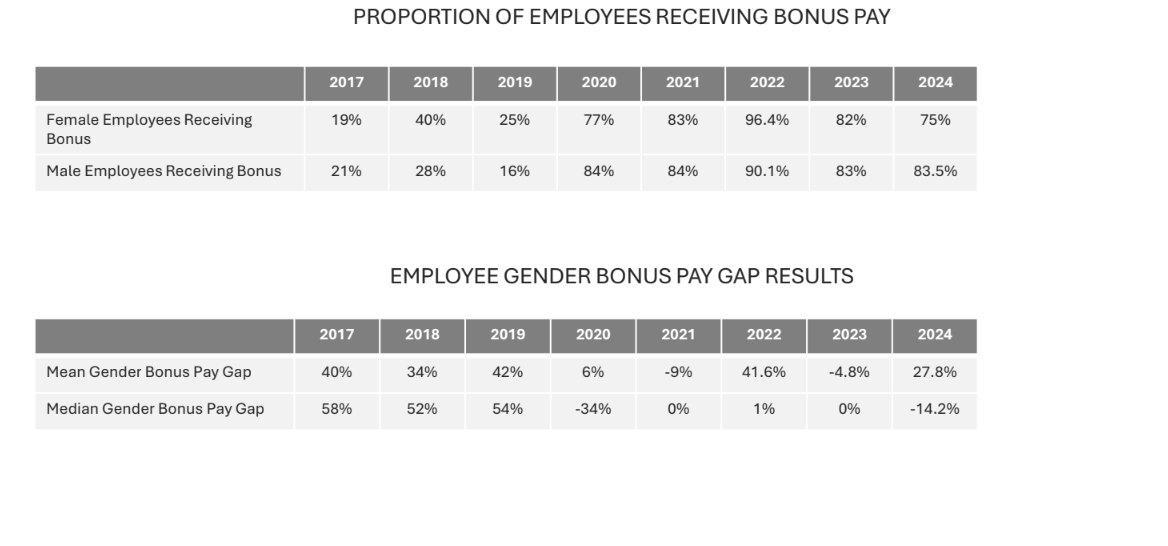
PROPORTION OF EMPLOYEES RECEIVING BONUS PAY
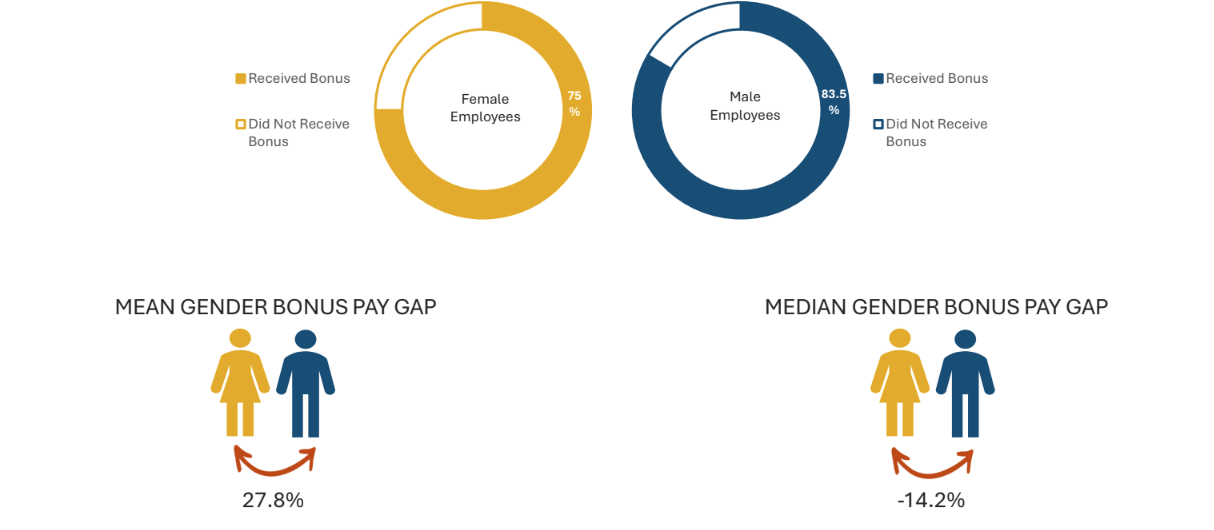
In the 12-month period leading up to 5 April 2024, 75% of female employees and 83.5% of male employees received a bonus.
• Mean bonus pay gap: Women received a lower average bonus than men, resulting in a mean bonus pay gap of 27.8%.
• Median bonus pay gap: At the midpoint, women received slightly higher bonus payments than men, reflected in a median bonus pay gap of -14.2%.
While a greater proportion of male employees received a bonus, the data shows that the typical (median) bonus for women was higher than that for men. The gap in average (mean) bonus amounts indicates that higher-value bonuses were more frequently awarded to male employees, which may reflect differences in roles or levels of seniority. We remain committed to ensuring that our bonus schemes are fair, transparent, and aligned with performance, regardless of gender.
GENDER PAY GAP YEAR ON YEAR COMPARISON: 2017 - 2024
GENDER BONUS PAY GAP YEAR ON YEAR COMPARISON: 2017 - 2024