Few experiences are more frustrating than stepping into the shower expecting a relaxing, consistent flow of warm water, only to be met with sudden and unpredictable changes in temperature.
One minute it’s comfortably warm, the next it’s either scalding hot or icy cold.

This issue, often called “temperature fluctuation,” is one of the most common shower complaints across UK households. It can range from mildly annoying to genuinely uncomfortable and even unsafe; particularly for young children, elderly family members, or anyone with reduced mobility.
The good news is that this problem is rarely random. It usually stems from specific issues within your home’s plumbing, heating system, or shower components.
Understanding the root causes can help you diagnose the issue more effectively and choose the right long-term solution.
In this guide, we’ll explore the most common reasons why showers in UK homes go hot and cold, along with practical, effective ways to fix them for good.
Main Causes of Temperature Fluctuations in UK Homes

1. Combi Boilers Struggling with Demand
The most frequent cause in modern homes is the combi boiler. Unlike older systems with storage tanks, combi boilers heat water on demand. When hot water is called for in multiple places at once (for example, someone flushing the toilet, running a kitchen tap, or filling a bath) the boiler has to redirect its energy.
This sudden change in demand often causes the shower temperature to drop sharply or spike. Larger households or homes with powerful showers are especially prone to this issue.
2. Worn or Faulty Thermostatic Cartridge
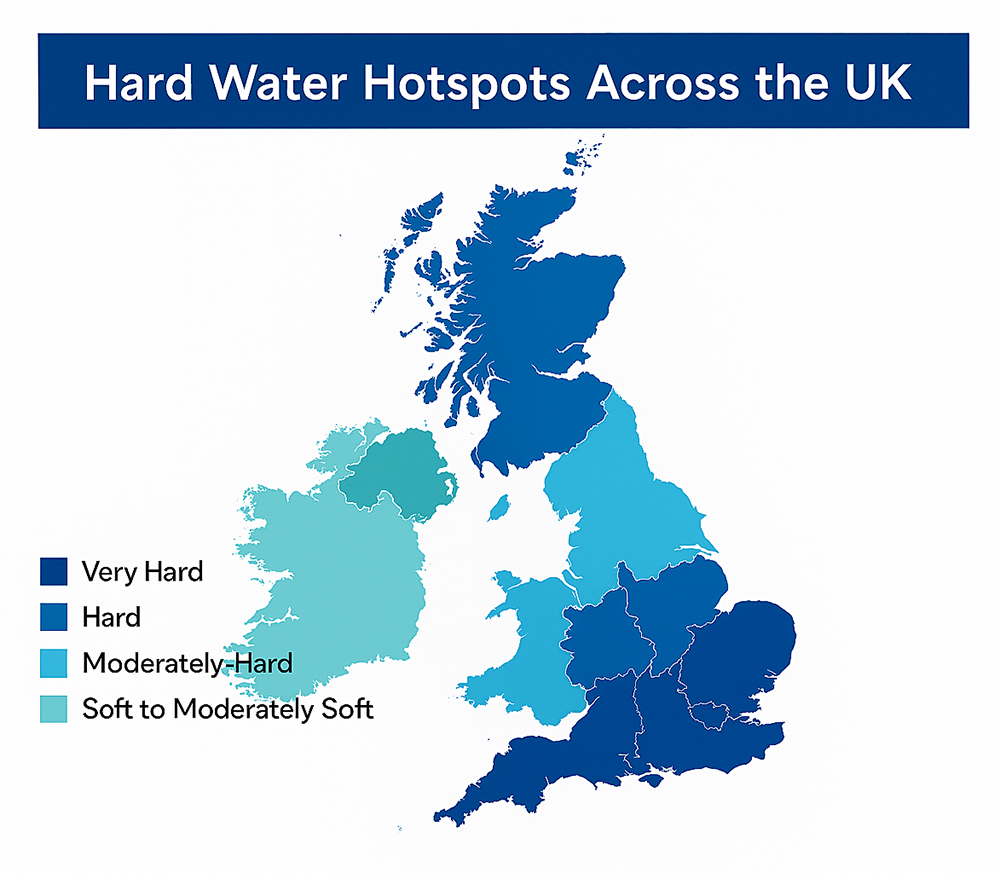
Most mixer showers rely on a thermostatic cartridge to blend hot and cold water. Over time, particularly in hard water areas (which covers much of the UK), these cartridges become clogged with limescale or simply wear out. When this happens, the shower loses its ability to maintain a stable temperature. Older showers are far more susceptible to this problem.

3. Low Water Pressure
Inconsistent or low water pressure makes it difficult for the shower valve to balance hot and cold water effectively. Many older UK properties, especially those with gravity-fed systems, suffer from naturally low pressure, which worsens temperature stability.
4. Outdated or Undersized Pipework
Homes built before the 1980s often have narrow or corroded pipes. When water demand changes elsewhere in the house, the restricted flow through these pipes causes noticeable temperature swings in the shower.
5. Failing Heating Element (Electric Showers)
In electric showers, the heating element is responsible for warming the water as it passes through the unit. If the element is starting to fail, it can cause the water to heat unevenly or cut out intermittently, resulting in sudden cold bursts.
6. Poor System Design or Boiler Issues
In some cases, the boiler itself may be undersized for the property, or the heating system may need servicing. Air trapped in the pipes or issues with the diverter valve can also contribute to unstable shower temperatures.
Effective Ways to Solve Temperature Fluctuations
Install a Quality Thermostatic Shower Valve
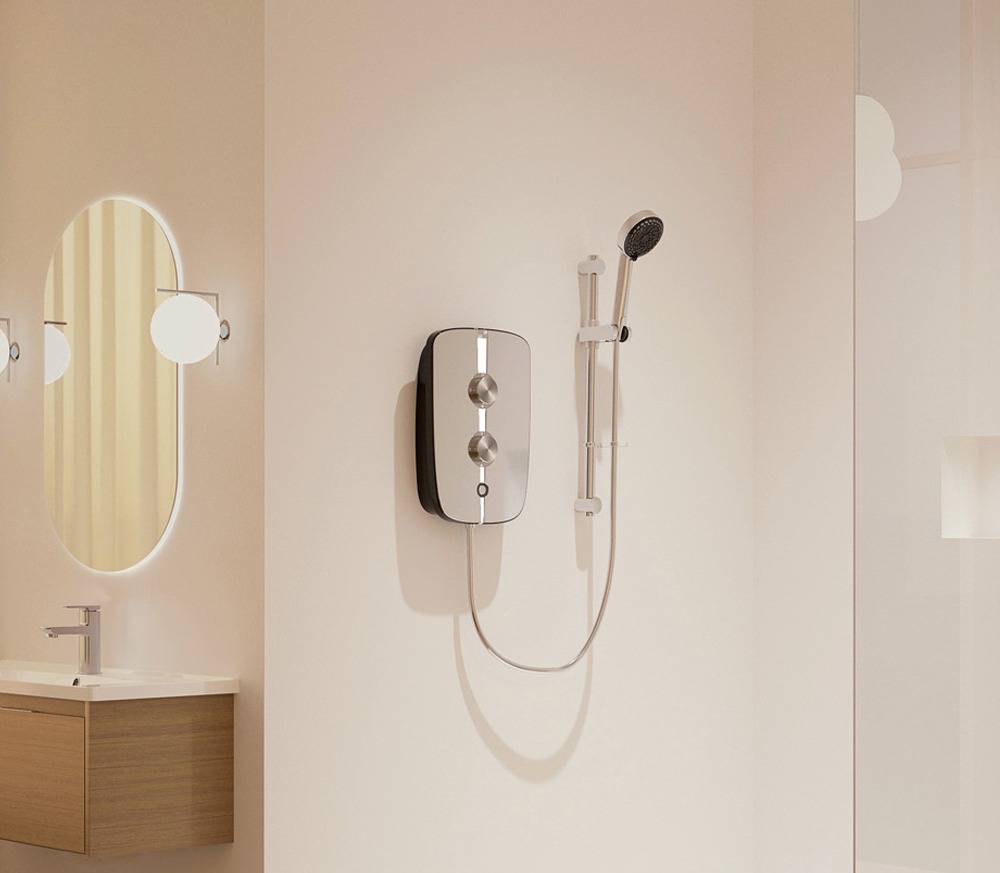
A thermostatic shower is widely considered the best solution for temperature stability. These systems feature advanced sensors that continuously monitor and adjust the mix of hot and cold water. Even if someone runs a tap elsewhere in the house, the temperature remains steady. Thermostatic showers also include anti-scald safety features, which automatically cut the flow if the water becomes too hot.
Upgrade to a Digital Smart Shower
For the ultimate in control and convenience, smart showers are an excellent investment. These systems allow you to preset exact temperatures and flow rates, often with memory settings for different users.
Many models also include features like a warm-up mode (so you don’t have to stand in cold water waiting for it to heat up) and remote control via a handset or app. Smart showers are particularly effective at eliminating temperature fluctuations.
Add a Shower Pump
If low water pressure is contributing to the problem, installing a shower pump can dramatically improve both pressure and temperature consistency. Pumps work by boosting the flow rate, allowing your shower valve to operate more effectively.
Replace the Thermostatic Cartridge
If you’re not ready for a full shower replacement, simply replacing the internal cartridge in your existing mixer shower can sometimes deliver good results. However, this is often only a temporary fix if other underlying issues (such as hard water or low pressure) remain.
Professional System Assessment
In some cases, the issue may require a broader look at your boiler, pipework, or overall heating system. A qualified plumber or heating engineer can carry out a full assessment and recommend the most appropriate upgrades.
Additional Tips to Prevent Future Problems
- Descale your shower regularly, especially if you live in a hard water area.
- Service your boiler annually to ensure it’s working efficiently.
- Consider installing a water softener if limescale is a recurring issue in your home.
- Opt for showers specifically designed for UK water conditions, with anti-limescale technology and robust components.
If you’re tired of dealing with unpredictable shower temperatures, it’s worth investing in a modern solution. A quality thermostatic or smart shower can transform your daily routine, delivering consistent, comfortable, and safe showering every single time.
At Aqualisa, we specialise in showers engineered specifically for British homes. Our range of thermostatic mixer and smart digital showers are designed to overcome the common challenges of UK plumbing systems, offering reliable performance, excellent temperature stability, and long-lasting durability.
Ready to enjoy a consistently comfortable shower? Explore our full range of showers, or speak with our team to find the best shower for your home water system.