Around 60% of UK homes are supplied with hard water, and over time it can have a real impact on shower performance, efficiency and reliability if left unmanaged.
At Aqualisa, we design showers to perform reliably in real UK water conditions. Understanding how hard water affects your shower and how to manage it can make a significant difference to day‑to‑day enjoyment and long‑term lifespan.

What Is Hard Water and Why Does It Affect Showers?
- Reduced water flow and weaker spray
- patternsInconsistent temperature
- controlIncreased wear on internal components
- Blocked shower head nozzles
- Reduced efficiency over time
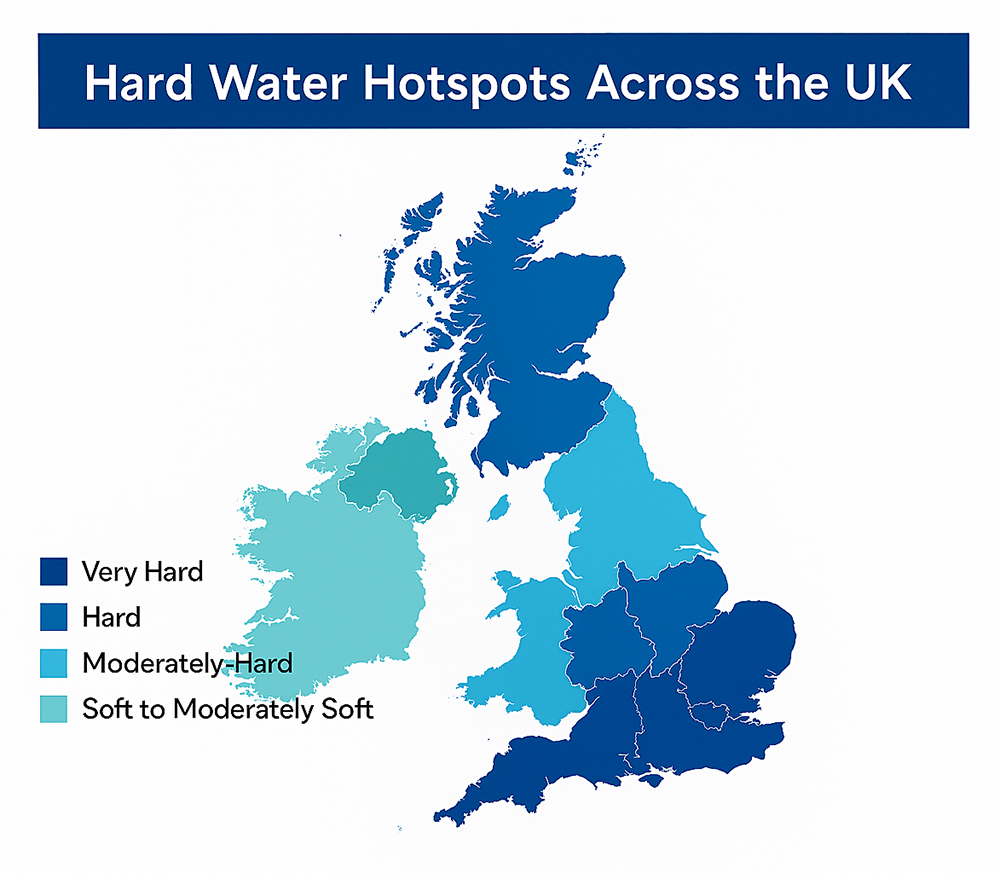
Hard Water Hotspots Across the UK
-
Very hard water: London, Kent, Essex, Cambridgeshire, Hertfordshire, Bedfordshire, parts of Suffolk and Norfolk
-
Hard water: East Midlands, West Midlands, South East (outside London), parts of Yorkshire and the North East
-
Moderately hard: Much of the Midlands and some southern coastal areas
-
Soft to moderately soft: Scotland, Wales, North West England, South West England and most of Northern Ireland
How Limescale Impacts Shower Performance Over Time
- Restrict water flow through the shower head and hoses
- Affect temperature stability
- Increase strain on internal components
- Reduce overall efficiency
- Shorten the lifespan of key parts

Practical Ways to Reduce Limescale in Your Shower
-
Remove the shower head
-
Soak it in a 50:50 solution of warm water and white vinegar for 30–60 minutes
-
Gently brush with a soft toothbrush
-
Rinse thoroughly before refitting
In very hard water areas, aim to do this monthly; elsewhere, every 6–8 weeks is usually sufficient.
2. Keep Controls and Surfaces Dry
3. Check Filters and Inlets (Where Applicable)
In very hard water homes, you may want to consider:
- Inline scale inhibitors on the shower supply
- Whole‑house water softeners (more costly, but comprehensive)
While these don’t remove minerals entirely, they can help reduce how quickly limescale forms.
Maintenance Routine for Hard Water Areas
-
Weekly: Wipe down shower surfaces and rub‑clean nozzles
-
Monthly: Deep‑clean shower head
-
Every 3–6 months: Check filters or visible components
-
Annually: Full visual inspection and descale if required
When Is It Time to Replace Your Shower?
If you’re experiencing persistent flow issues, unstable temperatures or repeated component failures despite regular maintenance, it may be more cost‑effective to replace rather than repair.
Modern showers are designed with improved efficiency, performance and ease of maintenance, particularly important in hard water regions.
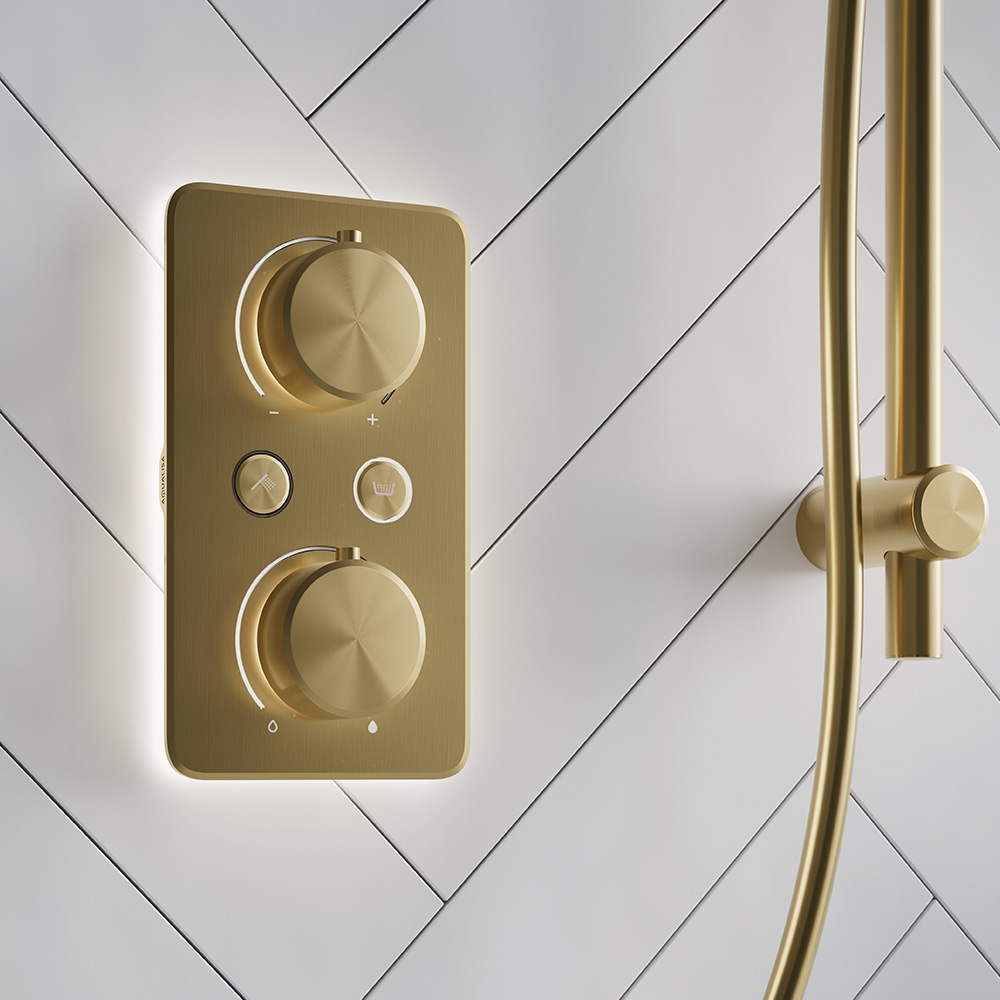
Designed for Real UK Water Conditions
Hard water is a fact of life in much of the UK, but it doesn’t have to compromise your daily shower experience. With simple preventative care and a thoughtfully designed shower system, you can continue to enjoy consistent performance even in the hardest water areas.
At Aqualisa, our showers are engineered for reliability, performance and ease of maintenance, helping you enjoy better showering for longer, wherever you live.